Uber vs DiDi vs Ola: Which Platform Pays Better in Melbourne?
An honest, current comparison of Uber and DiDi pay for Melbourne drivers in 2026.
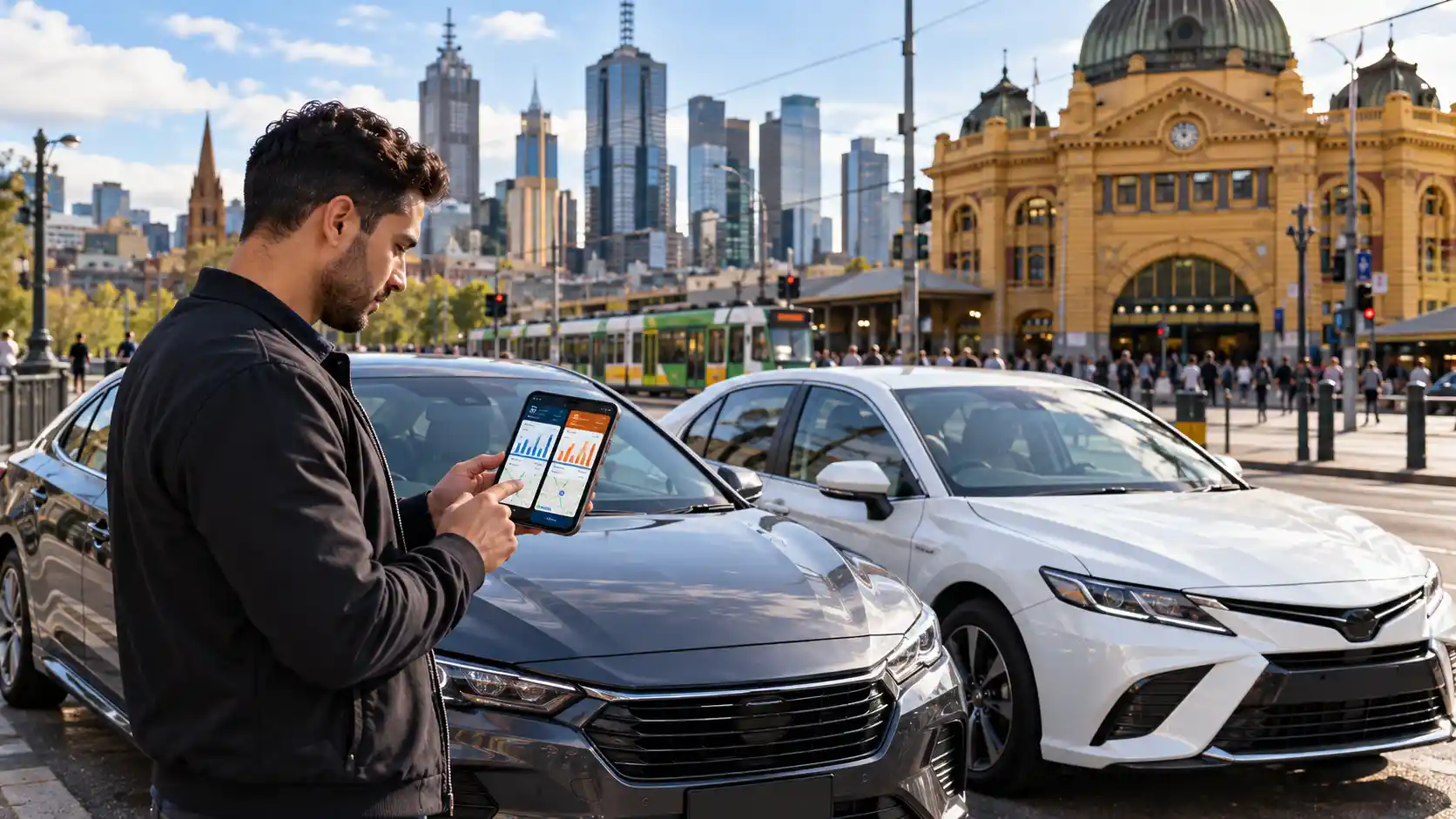
In 2026, comparing Uber vs DiDi pay in Melbourne is really a two-platform question, not three: Ola ceased all Australian operations in April 2024 and has not returned, so it is no longer an option for drivers here regardless of what older articles still say. Between Uber and DiDi, neither platform pays better in every situation. Uber generally offers more consistent demand, while DiDi has historically positioned itself with a lower driver commission, though this has shifted over time. This guide breaks down what actually differs, and where a rental from SOZO Rent a Car fits regardless of which platform, or both, you choose.
Where does Ola fit in 2026?
It does not. Ola shut down its Australian, New Zealand, and UK operations abruptly in April 2024 after years of scaling back local activity, leaving Uber and DiDi as the two mainstream rideshare platforms operating in Melbourne. If you have seen content comparing current pay across Uber, DiDi and Ola, treat it as outdated. There is no current way to sign up or drive for Ola in Australia.
Uber vs DiDi: market size and demand in Melbourne
Uber remains the dominant platform in Australia by a wide margin. Uber's Australian rideshare revenue was reported at roughly $646 million in 2023, compared with DiDi's roughly $14.3 million over the same period, and earlier Roy Morgan research put Uber's share of Australia's rideshare customer base at around 93%, against DiDi's 14% (customers can use more than one app, so shares do not need to total 100%). This scale gap generally translates to more consistent trip volume for Uber drivers in Melbourne, while DiDi's smaller rider base can mean longer gaps between trips at off-peak times, even if individual fares compare well.
How commission and fees typically compare
DiDi has historically marketed itself to drivers with a lower commission than Uber, particularly during its Australian launch period, while Uber's commission has been reported by drivers as having increased over time. Exact current rates are not consistently published by either platform and can vary by city, driver tier, and promotional periods. Do not rely on any fixed percentage you read online, including general patterns described here. Check your own real-time earnings breakdown in both the Uber and DiDi driver apps, since this is the only way to see your actual current commission and fees.
Surge, incentives and trip volume differences
Uber's larger rider base generally means more frequent surge pricing opportunities during Melbourne peak periods, simply because there is more demand competing for available drivers. DiDi has periodically run its own driver incentives and promotional periods, particularly to build market share in specific areas or time slots. Neither platform guarantees a particular income, and both adjust incentive structures over time, so current in-app promotions are worth checking regularly rather than assumed from experience.
Running both apps at once
A common approach among Melbourne drivers is running Uber and DiDi simultaneously, accepting whichever platform's trip request comes first. This can reduce idle time between fares compared with relying on a single app, particularly during quieter periods. It does mean managing two sets of account requirements, documents and vehicle listings, so confirm your vehicle meets both platforms' current standards before relying on this approach.
Vehicle flexibility across both platforms
The practical upside of comparing rather than committing to one platform is that the vehicle question is largely the same either way. A well-maintained, correctly insured sedan or hatch within each platform's current age window will typically suit both Uber and DiDi, so renting does not lock you into one platform over the other. Do you need your own car to drive for Uber or DiDi covers this in more detail.
Uber vs DiDi at a glance
|
Factor |
Uber |
DiDi |
|
Market presence in Australia |
Dominant, largest rider base |
Smaller but established since 2018 |
|
Trip volume |
Generally more consistent demand |
Can be quieter off-peak; confirm locally |
|
Commission (confirm in app) |
Often reported as higher than DiDi historically |
Often marketed as lower, varies by period |
|
Vehicle tiers |
UberX, Comfort, Green (EV only) |
Standard tier, fewer published sub-tiers |
|
Best for |
Maximum trip volume, peak-hour surge |
Potentially better per-trip margin; confirm current rates |
Many drivers find the most reliable approach is running both apps for a couple of weeks and comparing actual earnings against actual hours driven, rather than relying on general market patterns like those above.
Which platform should you choose?
There is no universally better platform. Uber's scale generally means more consistent trip volume, which matters most if you are driving set hours and want predictable demand. DiDi can suit drivers comfortable testing a smaller platform for potentially better per-trip margins, or those running it alongside Uber to fill gaps. Either way, the vehicle you need is largely the same. Check current rideshare rental options with SOZO in Brunswick, suited to Uber, DiDi, or both at once, or call +61 430 090 545 to confirm availability.
Frequently asked questions
Does Ola still operate in Melbourne?
No. Ola ceased all Australian operations in April 2024 and has not returned, after scaling back local activity in the years before that. If you are comparing platforms to drive for in Melbourne today, Uber and DiDi are the two realistic mainstream options.
Does Uber or DiDi pay better in Melbourne?
Neither consistently pays better in every situation. Uber generally offers more consistent trip volume thanks to its larger rider base, while DiDi has historically marketed a lower driver commission, though rates shift over time on both platforms. Check your actual earnings breakdown in each app rather than relying on general comparisons.
Can I drive for both Uber and DiDi at the same time in Melbourne?
Yes, many Melbourne drivers run both apps simultaneously to reduce idle time between trips. This means managing two separate accounts and confirming your vehicle meets both platforms' current requirements, but there is no rule against holding active accounts with both at once.
Do I need a different car for Uber compared to DiDi?
Generally no. A well-maintained sedan or hatch within each platform's current age and condition window will typically suit both, so most drivers can use the same vehicle for Uber and DiDi without needing two separate cars. Always confirm your specific vehicle against each platform's current requirements in its own app.
How do I know the current commission rate for Uber or DiDi?
Neither platform consistently publishes a single fixed percentage, and rates can vary by city and change over time. The most reliable way to check is your own real-time earnings breakdown inside the Uber or DiDi driver app, which shows the actual fee taken from each completed trip.
More Blogs
How to Pass Your Uber Background Check and Vehicle Inspection Fast
What the Uber background check and vehicle inspection involve in Victoria, and how to avoid the usual delays.
Best Suburbs in Melbourne for Uber and DiDi Drivers to Start Shifts
A local driver's guide to the best Melbourne suburbs for starting Uber and DiDi shifts.
How Many Hours Do Uber Drivers Work Melbourne? A Realistic Breakdown
A realistic breakdown of how many hours Uber drivers in Melbourne typically work each week.
